Your goods do not fill a container, so LCL must be cheaper. That sounds reasonable, but it is not enough to make a booking. Destination handling, minimum charges, collection costs and cargo requirements can change the comparison.
This FCL vs LCL guide helps you request comparable offers and decide which service fits the actual shipment. All worked figures are illustrative. They are not current freight rates or a promise about a particular route.
What do FCL and LCL mean?
FCL means Full Container Load. It describes the container booking arrangement; the goods do not have to occupy every cubic metre. Booking FCL also does not mean you own the container.
LCL means Less than Container Load. A logistics provider consolidates smaller shipments and separates them again for delivery to the relevant consignees. The arrangement can suit lower-volume movements without waiting to accumulate a container-sized order.
These are transport service choices, not Incoterms delivery rules. Neither abbreviation alone identifies who pays the freight, who clears imports or when risk passes between seller and buyer.

FCL vs LCL: practical differences
| Factor | FCL | LCL |
|---|---|---|
| Container space | A dedicated container booking | Shared space through consolidation |
| Commercial fit | Can suit larger or handling-sensitive shipments | Can suit smaller or more frequent consignments |
| Main freight pricing | Commonly container-based, with additional charges | Commonly chargeable volume/weight-based, with minimums and other charges |
| Handling process | Can avoid shared-container consolidation handling | Includes consolidation and deconsolidation steps |
| Packing decision | Plan container loading and securing | Prepare cargo for the agreed shared-handling environment |
| Timing question | Equipment, sailing, clearance and delivery availability | Also ask about consolidation cutoffs and destination availability |
| Decision basis | Total service cost and cargo fit | Total service cost and cargo fit |
A dedicated booking does not guarantee no damage, delay or inspection. Shared shipping is not automatically unsuitable for valuable goods either. Suitability depends on packaging, service conditions, acceptance rules and the risks of the specific cargo.
Measure the shipment before comparing prices
Use packed dimensions and gross weight, including pallets and protective packaging. CBM means cubic metre. Record whether cartons can be stacked and whether anything overhangs a pallet. A product’s catalog dimensions are not necessarily its shipping dimensions.
Illustrative volume calculation: Twenty identical cartons each measure 0.60 m × 0.40 m × 0.50 m. Each carton occupies 0.12 CBM, giving 2.40 CBM before any palletisation changes the dimensions. These are teaching measurements, not a booking specification.
Ask how the provider calculates chargeable weight or measurement. DHL Global Forwarding explains that weight and volumetric measures affect chargeable freight, while FCL uses container-based pricing for the relevant ocean component. Apply the quotation’s stated method, not an assumed ratio.
Dense cargo can reach weight or handling limits before using much space. Light, bulky or non-stackable goods can occupy more usable space than the simple product volume suggests. Give the provider complete information before treating its quote as final.

Compare total cost, not just the ocean freight line
Request offers with the same collection and delivery scope, cargo details, currency and validity period. Ask whether the figure is port-to-port, terminal-to-terminal or door-to-door. A cheap ocean component can coexist with substantial local charges.
List pickup, origin handling, ocean freight, documentation, destination handling, customs service charges, onward delivery and any other quoted costs. Assess duties and taxes separately where applicable. Avoid adding the same included charge twice.
| Quoted component | Illustrative LCL offer | Illustrative FCL offer |
|---|---|---|
| Pickup | US$150 | US$220 |
| Origin handling | US$120 | US$180 |
| Ocean component | US$360 | US$850 |
| Destination handling | US$210 | US$260 |
| Final delivery | US$130 | US$190 |
| Compared subtotal | US$970 | US$1,700 |
Under these invented assumptions, LCL costs US$730 less. That does not establish the result for another shipment. If the scope changes, or cargo needs special handling, obtain revised offers before calculating a saving.
For a larger consignment, the LCL total may approach or exceed an FCL offer. The crossover depends on the route, date, measurement basis and service charges. Do not turn a rule of thumb such as a fixed CBM threshold into a universal buying rule.
What about speed and delivery reliability?
Compare the time from cargo readiness to availability for collection or delivery, not just the vessel’s port-to-port transit. LCL can involve extra consolidation and separation steps. FCL can still face equipment, sailing, terminal, customs or inland-transport delays.
Ask for the cargo-receipt cutoff, planned sailing, transshipment details, destination processing and estimated delivery window. Establish whether dates are estimates or a separately defined service commitment.
Work backwards from the customer’s required date and include a sensible contingency. If the cargo is essential to a production line, discuss the cost of a late arrival alongside freight cost. There is no useful universal number of days to add to every LCL booking.
Handling, packaging and cargo compatibility
Describe fragile surfaces, moisture sensitivity, odour sensitivity and any lifting restrictions. Ask what packaging is required and whether the cargo is accepted for the proposed service. Dangerous goods, batteries or other controlled cargo need specific checks rather than a routine booking assumption.
For LCL, discuss stacking, pallet quality, carton strength and contact with other cargo. For FCL, discuss load distribution, securing, container condition and responsibility for loading. A larger box is not a substitute for a loading plan.
Photograph the packed condition where useful and retain the packing specification. Agree the claims procedure and consider suitable cargo insurance. Do not assume the carrier’s liability is identical to the full value of your goods.
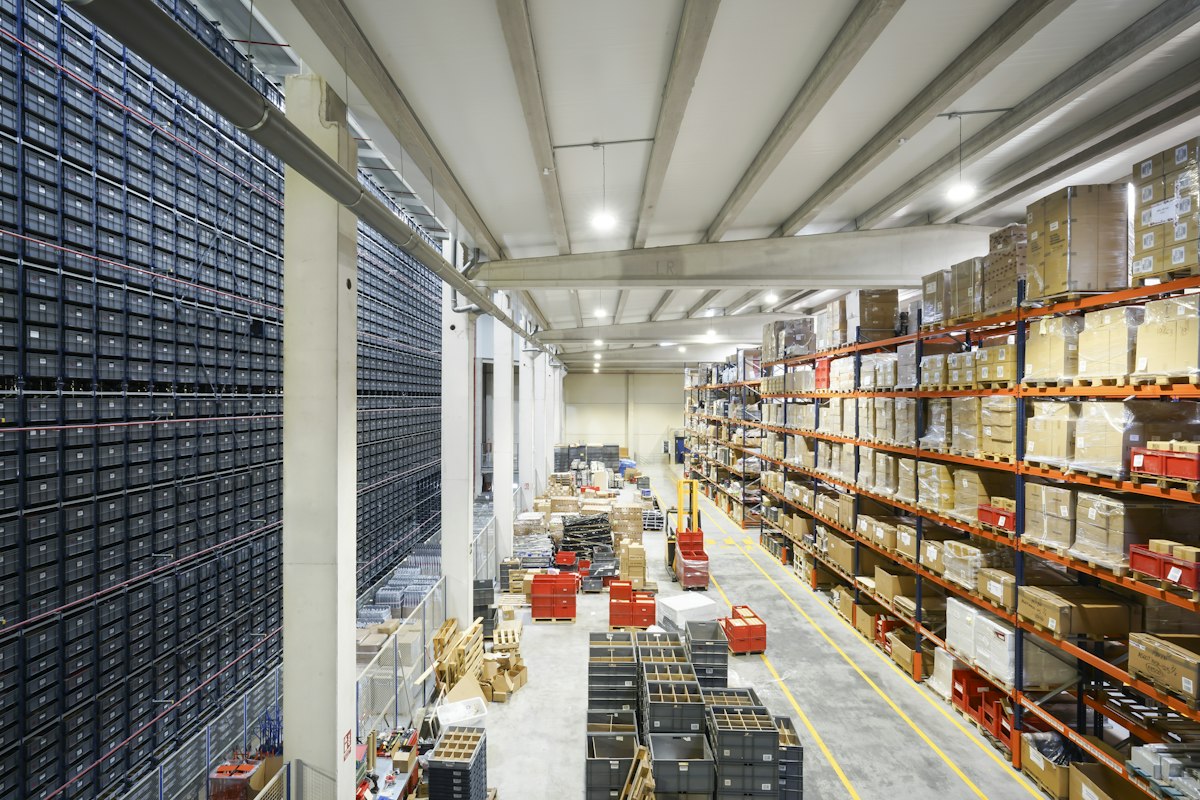
When each option deserves a closer look
Consider LCL for a smaller, flexible shipment
A modest replenishment order may not justify dedicated container space. LCL can let you ship what is ready without purchasing extra stock simply to fill equipment. Compare that benefit with the quoted local charges and the delivery window.
Consider FCL for a larger or more controlled movement
A dedicated container may suit a larger shipment, a coordinated loading plan or cargo for which fewer shared-handling stages matter. Confirm usable capacity, payload and destination unloading capability rather than assuming the goods will fit.
Consider inventory as well as freight
A lower cost per unit on a larger shipment may still tie up more money in stock. Compare storage, demand and replenishment needs. The most economical freight option is not automatically the most economical order size.
Documents and responsibilities still need agreement
Both choices require accurate shipment information and the appropriate documents. Review Wedrang’s bill of lading guide before approving a transport document, particularly where a forwarder and ocean carrier issue different documents.
Use the export documents overview to assign preparation responsibilities. For freight-payment and risk questions, the FOB vs CIF comparison explains why service choice and delivery term are separate decisions.
What should your request for a freight quote include?
Send the collection and delivery locations, cargo-ready date, package count, packed dimensions, gross weight and any stacking or handling restrictions. Describe the commodity accurately and flag any dangerous-goods or special acceptance question. Ask for both options on the same service scope where practical.
Request the charging basis, included services, exclusions and quote expiry in writing. Ask which assumptions could change the final invoice. A complete request helps the provider quote the shipment you actually have, not a smaller or simpler one.
Frequently asked questions
Does FCL require a completely full container?
No. The label concerns the booking arrangement, not a requirement to fill every available space.
Is LCL always cheaper for a small shipment?
Not necessarily. Compare complete offers, including minimums, local handling and delivery. A very small shipment may also warrant comparison with other transport services.
Is there one CBM limit for LCL?
No universal service limit is given here. Ask the provider about its volume, weight, dimensions and cargo-acceptance limits.
Can I rely only on the supplier’s freight estimate?
Check its scope, validity and assumptions. Confirm what you will pay or arrange at destination and whether the final packed measurements have been used.
Agree the delivery responsibilities separately using the Incoterms overview. When moving from a quotation to the final shipment, the commercial vs proforma invoice comparison helps you reconcile the agreed charges and actual quantities.
Sources and scope
Checked 17 October 2026: Maersk, FCL vs LCL Shipping: How to Choose the Right One, ocean-service FAQs and LCL terms; DHL Global Forwarding, Calculating Chargeable Weight by Air, Ocean, Road and Rail. Service descriptions do not establish a guaranteed rate, sailing time or universal cargo acceptance.
Editorial disclosure: This guide was drafted with AI assistance using the primary sources listed here. No named human author, expert review or firsthand transaction experience is claimed. Confirm the requirements for your shipment with the relevant carrier, bank, customs adviser or other qualified professional.