If you have searched for churan for constipation, you have probably seen powders promising bowel relief, less gas and better digestion in one scoop. The problem is that “churna” describes a preparation, not a single medicine with one predictable effect.
This guide focuses on choosing and using a powder thoughtfully. It explains how to read the ingredients, distinguish constipation from other digestive complaints and prepare useful questions for a pharmacist or clinician. It does not rank brands or provide a homemade laxative recipe.
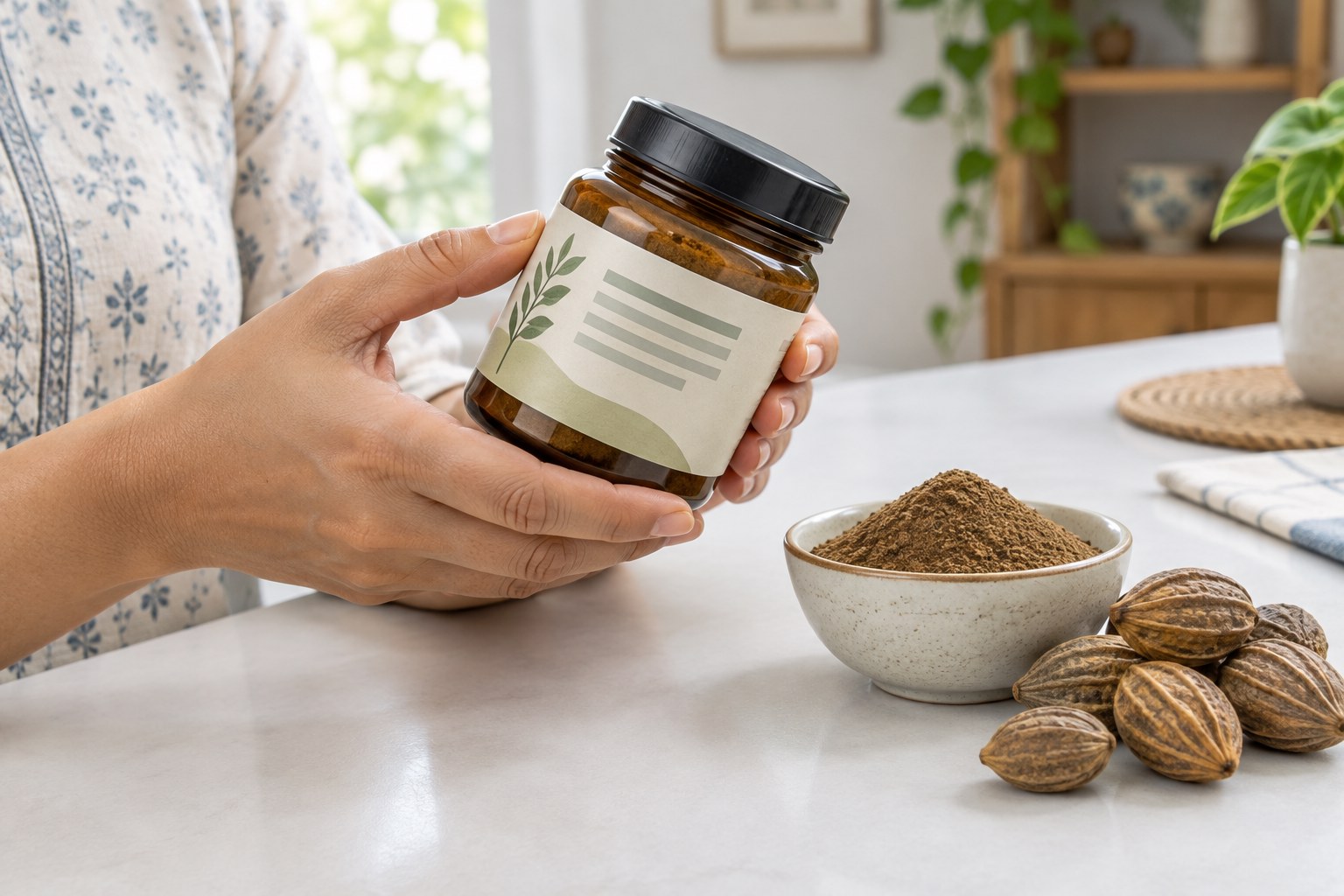
What is an Ayurvedic churna?
Churna, also commonly written as churan, refers to a powdered preparation. It may contain one plant ingredient or several components. A product sold for digestive comfort may have a different formula from a powder intended for constipation.
Do not assume all powders bearing an Ayurvedic name work in the same way. Nor should you treat isabgol husk, fruit powder and a concentrated extract as equivalent simply because they look similar in a spoon.
Three details matter immediately:
- Identity: what ingredients are actually present?
- Purpose: what symptom is the preparation intended to address?
- Instructions: what precautions, mixing directions and review advice apply?
If these details are missing or unreadable, choose a product with clearer information rather than guessing.
Constipation, gas and acidity are different problems
Constipation involves difficult stool passage or infrequent bowel movements. Gas symptoms include belching, passing gas and bloating; visible abdominal swelling is called distention. Indigestion may involve upper abdominal discomfort or early fullness. People often group these under “digestion,” but the distinction helps guide assessment. [1–3]
| Main complaint | Useful description | Why it matters |
|---|---|---|
| Difficult bowel movements | Hard stool, straining or incomplete emptying | Record stool passage, not just abdominal sensations. |
| Gas or bloating | Belching, pressure or swelling after meals | Note timing and food patterns; a laxative may not address the cause. |
| Upper digestive discomfort | Fullness or discomfort higher in the abdomen | Do not assume a constipation powder is the appropriate treatment. |
| Several symptoms together | Describe each symptom separately | A combined complaint still needs an individual assessment. |
For example, tell the clinician “I have hard stool and bloating after dinner” instead of saying only “I need a gas churna.” That small change gives a clearer starting point.
Why constipation and gas can occur together
Gas can come from swallowed air and digestion of carbohydrates. Constipation and conditions such as irritable bowel syndrome can also be associated with troublesome gas symptoms. Some people feel significant bloating even without unusually large amounts of gas. [2,4]
This means a promise to remove “all gas” is not a useful treatment goal. The goal is improved comfort and bowel function, with attention to symptoms that persist or worsen.
Before buying a combined remedy, ask:
- Which symptom affects me most?
- Does discomfort occur after particular meals?
- Is stool passage difficult even when stool is soft?
- Have I recently changed my food, supplements or medicines?
A symptom pattern can support a consultation. It cannot confirm a diagnosis by itself.
Compare powders by ingredients, not advertising
| Powder category | What to check | What not to assume |
|---|---|---|
| Plain isabgol or psyllium | Liquid requirements and medicine precautions | That every fibre product contains only fibre |
| Senna-containing blend | Active ingredients, instructions and duration advice | That “herbal” means suitable for indefinite daily use |
| Triphala preparation | Composition and whether powder or extract is used | That studies of mixed products prove the same effect |
| Haritaki powder | Plant identity, processing and product-specific advice | That a research extract dose equals a spoonful of powder |
| Mixed digestive churna | Every ingredient and the intended complaint | That an acidity or gas claim proves constipation relief |
Fibre powders
Psyllium is a bulk-forming laxative. Its directions require mixing with liquid; swallowing difficulty or possible intestinal blockage needs medical discussion. It can also affect how some medicines are taken, so ask about appropriate separation for your own medication list. [5]
Do not substitute a generic spoon instruction for the label. A flavoured blend may contain additional ingredients, and a product containing both fibre and senna deserves a different conversation from plain husk.
Stimulant-containing powders
A senna-containing preparation can produce cramps or diarrhoea. Product-specific instructions matter, and repeated unsupervised use is not a substitute for assessing recurrent constipation. [6]
The front of the pack may emphasise familiar fruits or herbs while a laxative ingredient appears elsewhere. Read the whole composition before deciding that a powder is mild.
Traditional fruit and mixed-herb preparations
Triphala and haritaki have traditional digestive uses, but evidence does not establish one best churna for all patients. Our article on kadukkai powder benefits and safety explains the differences between haritaki powder and studied extracts. A small trial of a combined isabgol, senna and Triphala extract preparation cannot separate the contribution of each component. [7]
The practical question is not whether an ingredient has a traditional reputation. It is whether the particular formulation is appropriate for your symptoms, health and treatment plan.
How to read a churna label
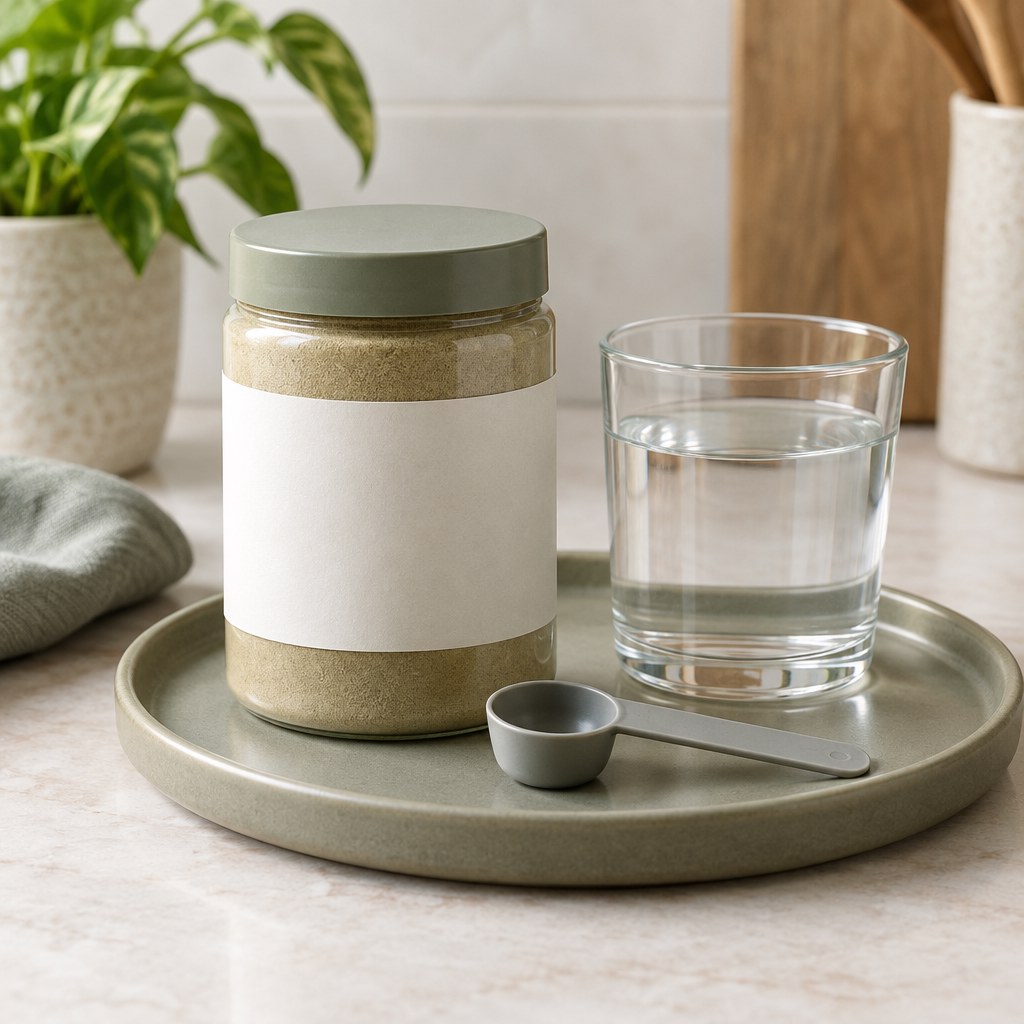
1. Identify the exact product
Write down the complete name, manufacturer and whether it is a single ingredient or proprietary blend. Products with similar names can differ. Keep a photograph of both the front and the composition panel.
2. List every active ingredient
Compare the list with other powders, capsules and constipation medicines you already use. Do not rely on a remembered brand name. Ask a pharmacist to identify unfamiliar components instead of assuming they are only flavouring.
3. Check additions and restrictions
Look for sweeteners, salts and other added ingredients relevant to your dietary advice. If the pack does not make quantities clear, ask the manufacturer or clinician. Do not infer suitability from the words “natural” or “sugar-free” alone.
4. Read mixing and storage instructions
Confirm the intended method of preparation and what measuring device to use. Keep the label available after opening. Store the product as directed and avoid transferring it into an unlabelled household container.
5. Review traceability
Check batch information, expiry date and manufacturer contact details. Quality-test claims should relate to the product, ideally its actual batch. A decorative certification icon is less informative than an accessible explanation of what was tested.
Buying the best churna: questions worth asking
A good buying decision starts with clarity rather than an impressive ingredient count. A longer formula is not automatically more effective. A premium price does not establish clinical benefit.
- Is the exact composition easy to find?
- Does the seller distinguish traditional use from clinical findings?
- Are precautions visible before purchase?
- Can I follow the instructions reliably?
- Does a clinician or pharmacist consider it appropriate for me?
Be cautious about reviews that say a product worked “instantly” without identifying the formulation or situation. Other users’ experiences cannot determine your dose, safety or likely response.
If choosing between two packs, compare their labels before comparing their prices. The most useful difference may be an additional laxative ingredient rather than the size of the jar. For options beyond powders, see our comparison of Ayurvedic constipation medicines and their safety considerations.
Using a powder without creating a confusing routine
Follow the directions for the actual product and professional advice. Do not copy a family member’s amount or add extra powder because a bowel movement has not happened immediately.
Keep the routine understandable:
- Record what you take and when.
- Do not combine several constipation powders without advice.
- Ask what improvement should look like.
- Agree on when persistent symptoms require review.
- Report unwanted effects instead of interpreting them as cleansing.
Water temperature does not identify the right medicine. Likewise, taking a product at bedtime does not make it suitable for long-term use. The formulation and clinical situation are more important than a ritual.
Food and routine when gas is troublesome
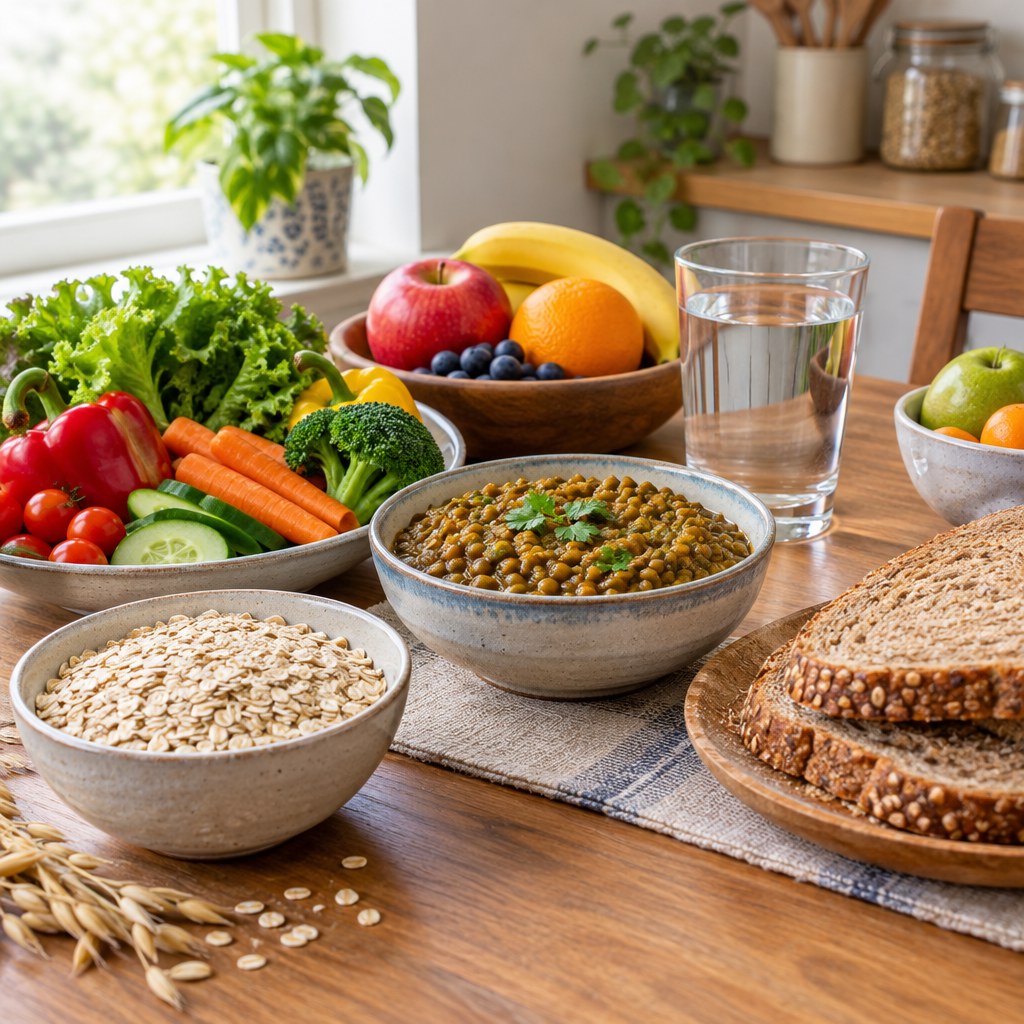
Changes in eating habits or diet may help gas symptoms, but the appropriate approach depends on the cause. A clinician or dietitian may recommend a targeted change for a diagnosed condition rather than broad food avoidance. [8]
Make your observations specific. Record the meal, symptom and timing, rather than labelling an entire food group “bad.” Do not eliminate many foods at once simply because a powder advertisement describes them as toxins.
For constipation, fibre-rich food, suitable fluids, regular movement and an unhurried toilet routine can support treatment. Increase fibre gradually instead of making a sudden large change. [9]
A practical record needs only a few lines each day. Include stool difficulty, bloating, remedies used and anything noticeably different about the day. Take it to a consultation if the pattern continues.
Side effects and people who need extra advice
Stop and seek advice if a product causes troublesome diarrhoea, cramps or worsening symptoms. An unpleasant effect is not evidence that it is removing toxins.
Ask before self-selecting a blend for a child, during pregnancy or breastfeeding, or when you have an ongoing condition. Tell all your healthcare providers about herbal products. NCCIH warns that some Ayurvedic preparations can contain harmful metals, making quality checks important. [10]
These checks apply to the actual formulation. They do not imply that every herbal powder is contaminated or that all constipation medicines share the same risks.
When a stronger churna is the wrong next step
Get prompt assessment for blood in the stool, continuing abdominal pain, vomiting or inability to pass gas. Persistent constipation, unexpected weight loss or a lasting change in bowel habits should also be reviewed. [1]
If symptoms keep returning, bring your product list to the appointment. Explain what improved and what did not. Repeatedly moving from one blend to another can make it difficult to assess the original problem.
Frequently asked questions
Which is the best churna for constipation and gas?
No single churna is best for everyone. Compare the ingredients, your main symptoms and safety considerations. Persistent gas or constipation needs assessment rather than a stronger blend.
Are churan and churna different?
These spellings are commonly used for the same powder-preparation term. The ingredient list, not the spelling, tells you what a particular product contains.
Can I mix two constipation churnas?
Do not combine them without checking with a pharmacist or clinician. Different products may contain overlapping laxatives or other ingredients.
Should churna be taken with warm water?
Follow the instructions for the exact formulation. Water temperature is not a substitute for the correct amount of liquid or appropriate product selection.
Does more gas mean a powder is detoxing my body?
No. Gas or diarrhoea does not demonstrate detoxification. Worsening symptoms should prompt a review of the product and the underlying problem.
Can I use the same churna as a family member?
A product suitable for one person may not suit another. Age, medicines, symptoms and health conditions can change the choice.
Before an appointment, photograph every product you take, including occasional remedies. Clear labels help a pharmacist identify duplicated ingredients and explain which instructions apply to each formulation in your current daily routine.
Evidence notes
[1] NIDDK, Symptoms & Causes of Constipation. [2] NIDDK, Gas Symptoms & Causes. [3] NIDDK, Indigestion. [4] NIDDK, Definition & Facts for Gas. [5] MedlinePlus, Psyllium. [6] NHS, Senna. [7] Munshi and colleagues, Journal of Ayurveda and Integrative Medicine, 2011; DOI: 10.4103/0975-9476.85554. [8] NIDDK, Treatment for Gas. [9] NHS, Constipation; NIDDK, Eating, Diet & Nutrition for Constipation. [10] NCCIH, Ayurvedic Medicine: In Depth.
General adult health information; not an individual prescription. Evidence checked October 2026.