Choosing a constipation remedy can feel confusing when every packet promises gentle relief. One contains fibre, another contains a stimulant laxative, and another combines several traditional herbs. All may appear under the same Ayurvedic category, although they can work differently.
This guide compares common options without treating brand popularity as proof. It helps you ask useful questions about ingredients, recognise misleading claims and decide when a medicine review matters more than another purchase.
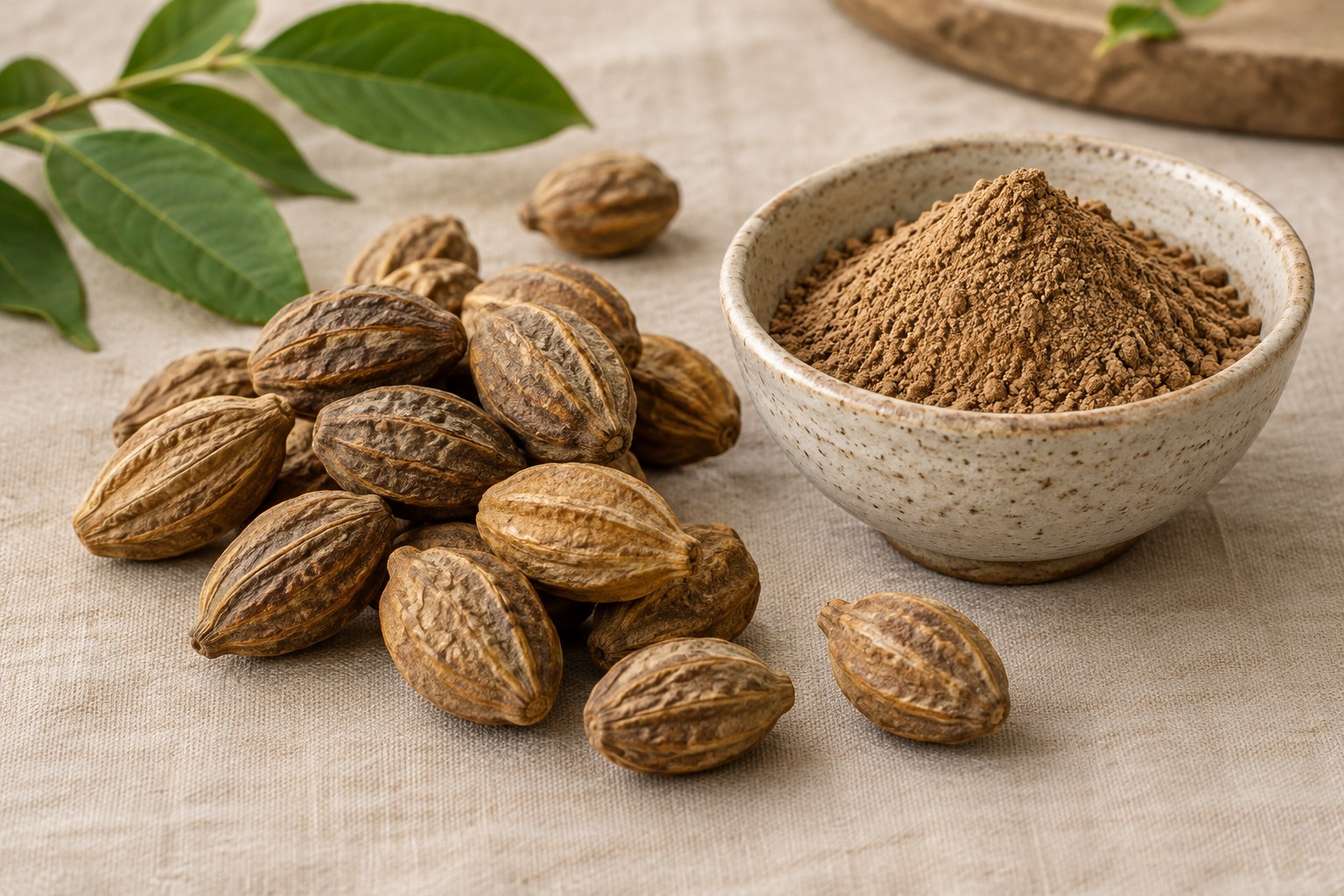
First, identify what constipation means for you
Constipation is not simply missing one daily bowel movement. Hard or lumpy stools, painful passage, straining and a feeling of incomplete emptying can matter even when you visit the toilet regularly. Fewer than three bowel movements a week is another possible sign. [1]
Describe the difficulty before choosing a remedy. “My stool is hard” gives a clinician more useful information than “my digestion is weak.” Also note whether the problem started recently, happens during travel or has continued for months.
- Is the stool hard, or does soft stool still feel difficult to pass?
- Are gas, pain or nausea present?
- Did symptoms start after a medication or routine change?
- What have you already tried, and what happened?
These questions do not diagnose the cause. They prevent you from choosing solely by the strongest claim on a label.
Ayurveda and constipation: tradition versus evidence
Ayurveda includes diet, lifestyle and individualized treatment as well as preparations. Traditional use is relevant background, but clinical evidence is a separate question. A familiar name or centuries of use cannot tell us how a particular commercial blend compares with another treatment. [2]
Look for research on the actual preparation, not just one plant in its ingredient list. A study of a measured extract does not automatically apply to fruit powder. Research involving several ingredients cannot show which ingredient caused an improvement.
For example, a small open-label study examined a powder containing isabgol husk, senna extract and Triphala extract. Participants improved during treatment, but there was no comparison group. It cannot establish that Triphala alone works equally well, or that every similarly named product is effective. [3]
Common options compared
The table compares categories rather than endorsing brands. Isabgol and senna are plant-derived options often discussed alongside Ayurvedic remedies; that does not make every formulation a classical Ayurvedic medicine.
| Option | What it is | Main consideration |
|---|---|---|
| Isabgol or psyllium | Bulk-forming fibre | Has evidence for constipation; adequate liquid and product instructions matter. |
| Senna-containing products | Stimulant laxative preparations | Evidence supports specific uses; check ingredient strength and avoid unsupervised prolonged use. |
| Triphala | Haritaki, amla and bibhitaki combination | Do not treat mixed-formulation research as proof for every Triphala powder. |
| Haritaki or kadukkai | Fruit powder or extract | Traditional use does not establish an evidence-based dose for every powder. |
| Abhayarishta | Traditional liquid formulation | Check the full composition and formulation-specific precautions; marketing is not comparative evidence. |
Isabgol: fibre with specific instructions
Psyllium absorbs liquid and forms a bulkier stool. It is different from a stimulant ingredient that encourages bowel movement. Do not swallow dry powder; mix and take it according to the product instructions with the required liquid. Tell a pharmacist about swallowing difficulties, suspected bowel blockage and other medicines before use. [4]
A plain fibre product and a fibre-plus-senna blend require different decisions. Turn the packet over even if the front uses the word “isabgol.” The full ingredient list determines what you are considering.
Senna: a laxative, even when described as herbal
Senna is included in constipation guidance, but a recommendation for a defined ingredient is not an endorsement of every herbal combination. It can cause cramps and diarrhoea. NHS advice cautions against prolonged self-directed use because it can cause problems including electrolyte imbalance. [5]
Ask what the treatment plan is: why this ingredient, how to use it, and when to review it. A faster bowel movement is not necessarily a better long-term outcome.
Triphala and haritaki: keep expectations specific
Triphala contains haritaki alongside two other fruits. Haritaki powder benefits, uses and safety deserve separate consideration because the powder alone is a different product. Choosing between them should not rest on claims that one “cleans more deeply” or permanently fixes digestion.
If you prefer traditional care, bring the proposed product to a qualified practitioner and tell your usual clinician about it. Ask how improvement will be assessed and what happens if symptoms continue.
Abhayarishta: assess the whole formulation
Manufacturers market Abhayarishta for constipation and flatulence. Such descriptions establish intended use, not superiority over other treatments. The actual bottle, ingredient list and professional advice remain important. [6]
For any liquid formulation, check all listed ingredients and relevant sugar or alcohol information rather than assuming it is equivalent to powder. A different dosage form does not remove the need for a safety review.
What about “top 10 Ayurvedic medicine for constipation” lists?
A numbered list can be convenient, but it often mixes brands, ingredients and unrelated digestive products. It may call the first item “best” without showing a direct comparison. Ten names do not provide ten equally supported treatment options.
A useful comparison explains:
- What each preparation contains.
- Whether the evidence concerns that exact formulation.
- Who may need additional advice.
- Whether the product is fibre, a stimulant or a mixed preparation.
- How ongoing symptoms should be reviewed.
Use a shortlist to support a discussion, not to work through ten medicines in sequence. Avoid adding a second product simply because the first did not produce an immediate result.
How to choose an appropriate option
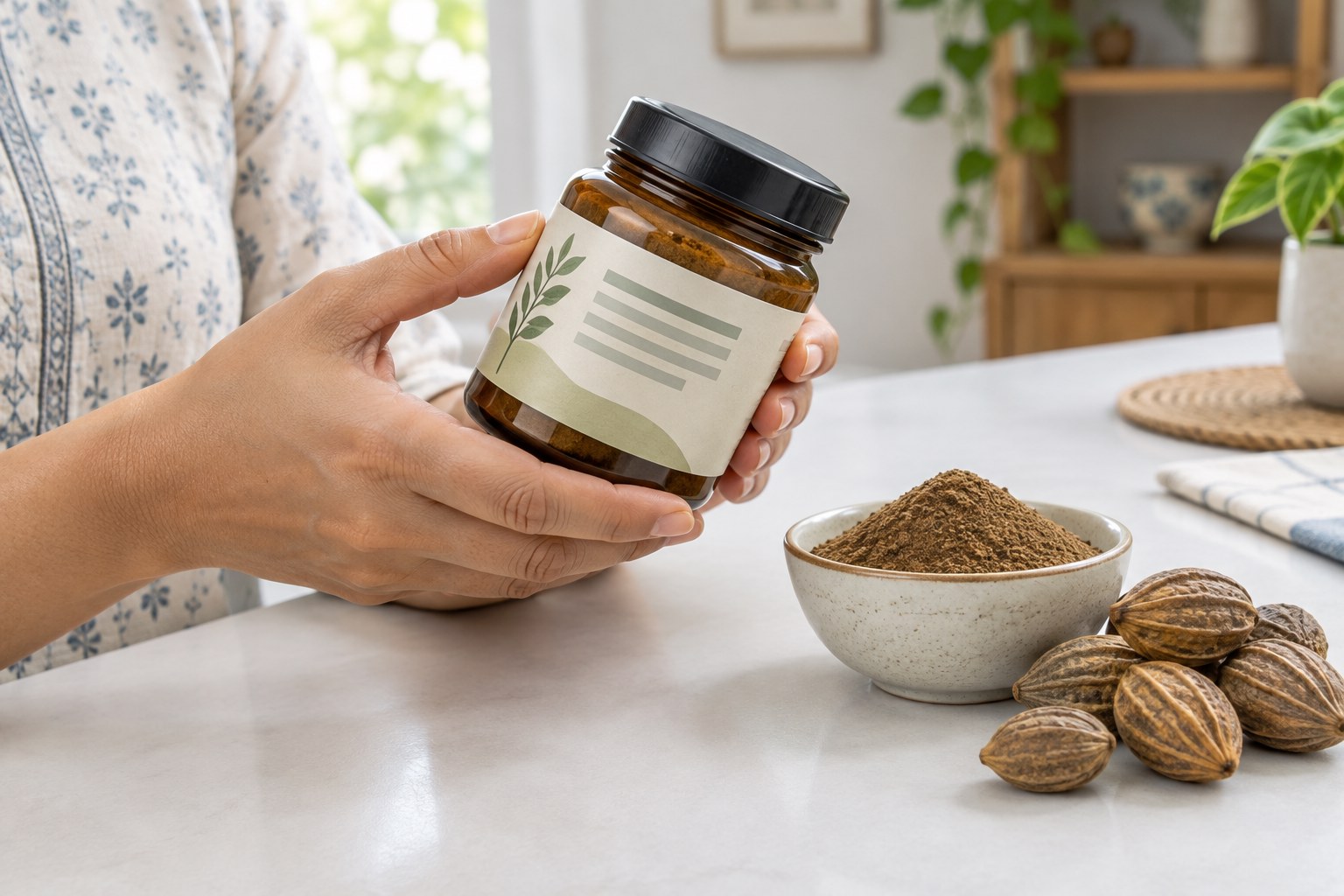
Start with the problem, not the package
Write one sentence describing your goal: for example, “I want hard stools to pass comfortably without repeated straining.” This is more useful than asking for the strongest bowel cleanser. It also helps you judge whether a treatment is improving your actual complaint.
Compare complete labels
Place the ingredient lists side by side. A single-ingredient preparation is easier to identify, although it is not automatically appropriate. For blends, look for overlapping ingredients with products you already use.
Consider practical fit
Can you follow the mixing instructions? Is the label understandable? Can you obtain the same formulation consistently? Ask a pharmacist about these practical details instead of treating price or a premium-looking container as evidence of quality.
Agree on a review point
Ask when you should reassess symptoms and what would mean stopping or seeking help. An open-ended routine makes it harder to notice that the original problem remains unresolved.
Constipation with gas needs a wider assessment
Gas and constipation can occur together, but the combination does not identify one ideal herb. Gas symptoms can relate to swallowed air, food digestion or digestive conditions. A product promising both bowel relief and gas relief still needs evidence for those outcomes. [7]
If bloating is your main concern, tell the clinician rather than presenting only the bowel frequency. Record whether discomfort follows meals and whether passing stool changes it. Our churna guide for constipation and gas covers label checks and symptom tracking for this situation.
Daily habits that support treatment
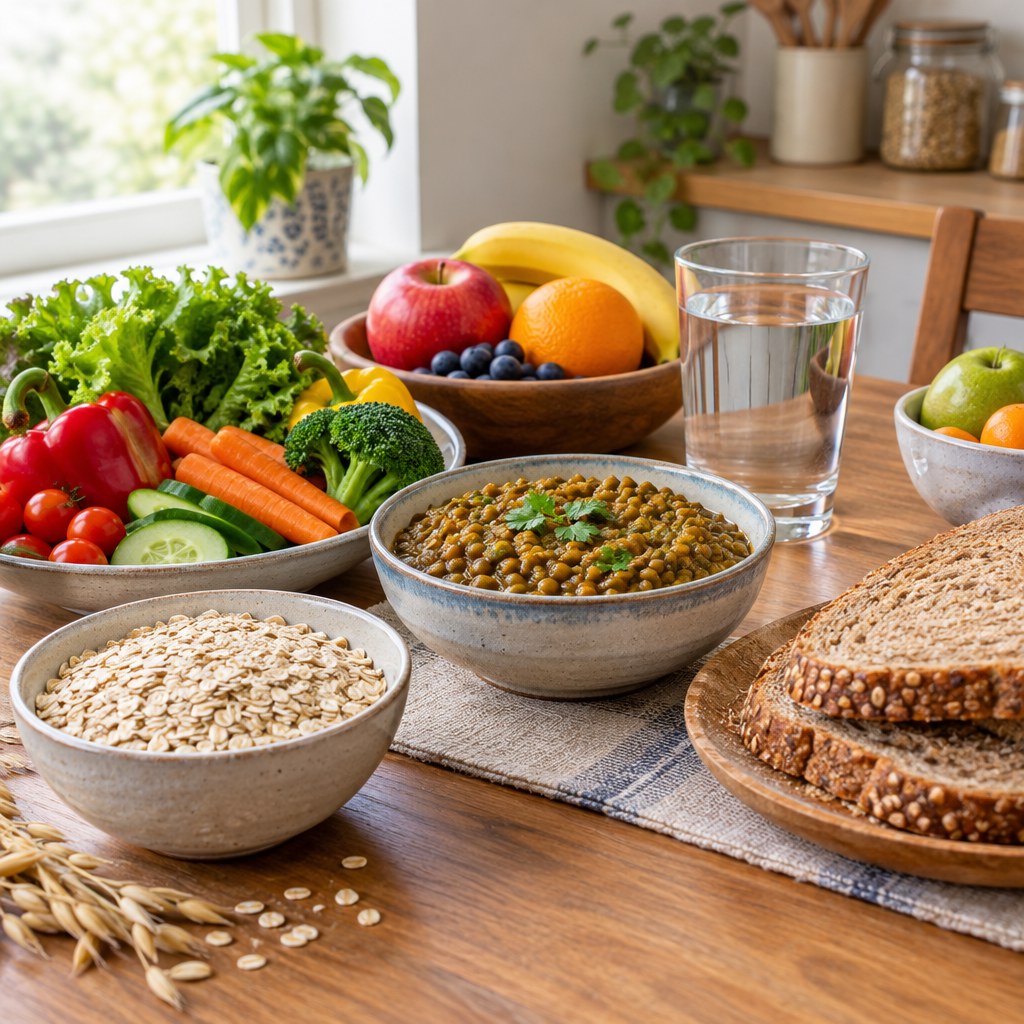
Food, fluids, activity and toilet routine can support constipation management. Increase fibre gradually rather than changing everything at once, and follow individual fluid advice if you have a restriction. [8]
Make changes workable. For example, review a typical workday: are meals rushed, is there time for the toilet, and does travel disrupt your routine? Choose a manageable adjustment and observe its effect instead of combining several new remedies.
Keep a brief record of stool difficulty, products used and unwanted effects. The aim is comfortable function, not a perfect daily count or diarrhoea presented as “detox.” Bring the record to a consultation if symptoms persist.
Safety checks before using herbal remedies
Some Ayurvedic preparations may contain harmful amounts of metals. This does not mean all products are contaminated, but it makes traceability and quality information important. Pregnancy, breastfeeding and existing health conditions also require a product-specific discussion. [2]
- Keep the original label and batch details.
- Tell your clinician about every supplement and laxative.
- Do not assume an adult routine is suitable for a child.
- Ask about added ingredients when following dietary restrictions.
- Avoid products promising cures for many unrelated diseases.
If a prescribed medicine may contribute to constipation, do not stop it yourself. A review can consider the benefit of the medicine alongside ways to manage the symptom.
When self-treatment should stop
Seek prompt medical assessment for constipation with blood in the stool, continuing abdominal pain, vomiting or inability to pass gas. Unintentional weight loss and a persistent change in bowel habits also deserve evaluation. [1]
Even without these warning signs, arrange a review when symptoms repeatedly return or do not improve. Replacing one remedy with another can create the appearance of a plan while leaving the cause unexplored.
Questions to take to your appointment
You do not need to know medical terminology to have a useful consultation. Take the packet or a clear photograph of its label and explain what you hope to improve.
- Could my current medicines or routine contribute?
- Does this preparation have evidence for my situation?
- What instructions and precautions apply to this exact product?
- What should I record while using it?
- When should I return if improvement is limited?
A good answer should leave you with a clear next step. If the explanation relies only on broad promises, ask for the reasoning behind the choice.
Frequently asked questions
Which Ayurvedic medicine is best for chronic constipation?
There is no universal best choice. Chronic constipation needs assessment of its cause, medicines and symptoms. Evidence for psyllium or senna does not establish that every Ayurvedic blend containing them works equally well.
Is Triphala better than isabgol?
They are different products. Isabgol is psyllium fibre, while Triphala combines three fruits. Research and suitability differ, so choose according to professional advice rather than a general ranking.
Can I take Ayurvedic constipation medicine every night?
Do not make an indefinite nightly routine without reviewing the exact formulation and reason for use. Frequent need for a remedy is a reason to discuss a longer-term plan.
Does Ayurveda permanently cure constipation?
A permanent cure cannot be promised. Constipation has several causes, and some people need ongoing treatment or changes to their routine.
Should I stop prescribed medicine if it causes constipation?
No. Ask the prescribing clinician whether the medicine may contribute and whether an adjustment or constipation treatment is appropriate.
Is a bowel-cleansing product needed for good health?
Routine colon cleansing or diarrhoea is not a health goal. Aim for comfortable bowel movements and seek assessment for persistent symptoms.
Bring your symptom record and original packaging to the review. This helps the clinician assess the preparation actually used, rather than relying on its brand name.
Evidence notes
[1] NIDDK, Symptoms & Causes of Constipation. [2] NCCIH, Ayurvedic Medicine: In Depth. [3] Munshi and colleagues, Journal of Ayurveda and Integrative Medicine, 2011; DOI: 10.4103/0975-9476.85554. [4] MedlinePlus, Psyllium. [5] NHS, Senna. [6] Dabur, Abhyarishta manufacturer information, used for marketed purpose only. [7] NIDDK, Gas Symptoms & Causes. [8] NIDDK, Treatment for Constipation. AGA–ACG constipation guidance, 2023, informs the evidence comparison.
General adult health information; not an individual prescription. Evidence checked October 2026.